Reading through pages of HIPAA articles and advice about disaster recovery plans can be daunting.
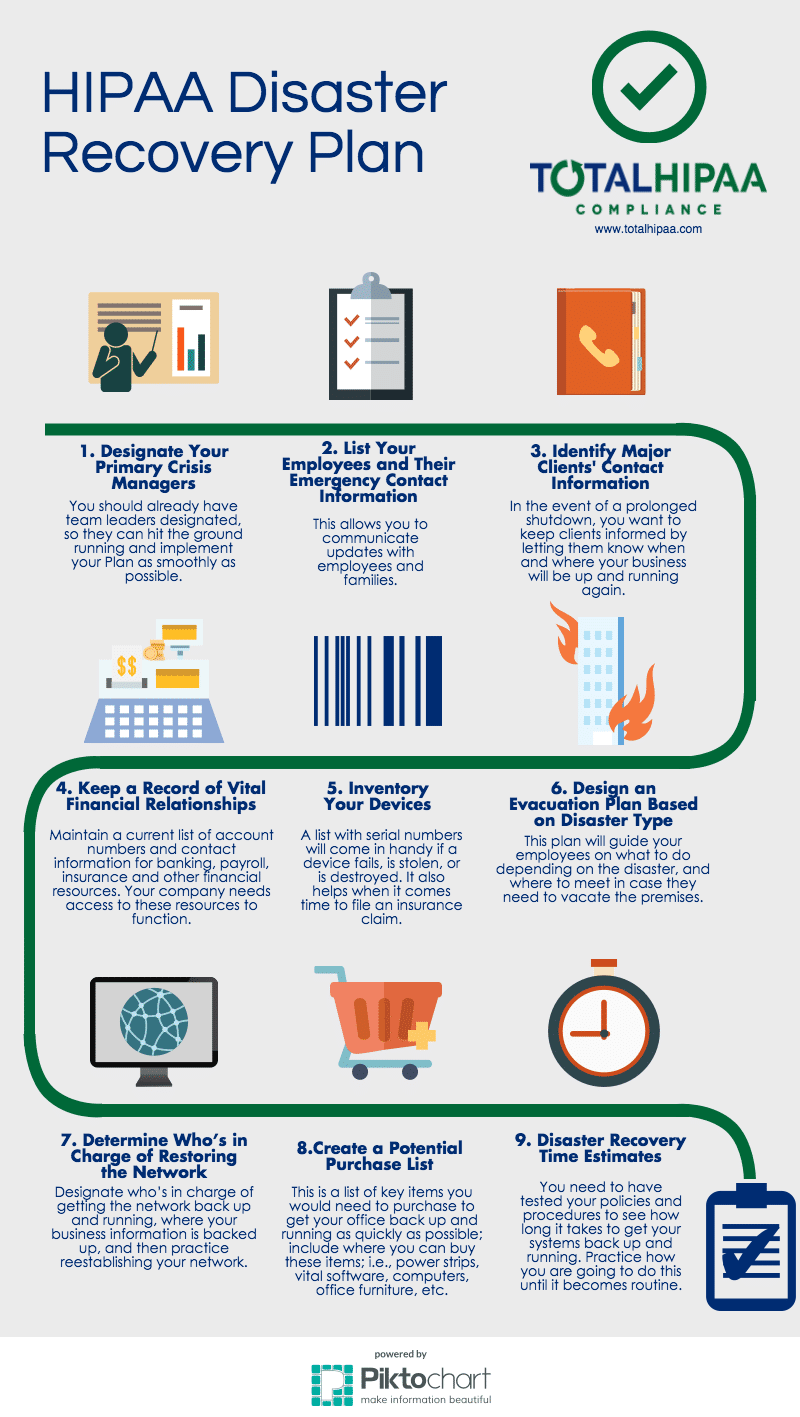
Here’s an easy way to understand the 9 most important items disaster recovery plans should include.
Updated 2026 with 42 CFR Part 2/SUD: Looking for a Business Associate Agreement? Download our FREE template
Register for our webinar September 30, 2026, 2 PM ET: Master Open Enrollment: Navigating HIPAA, Employee Data, and Compliance Risks

Reading through pages of HIPAA articles and advice about disaster recovery plans can be daunting.
Here’s an easy way to understand the 9 most important items disaster recovery plans should include.
Download our free template to get started on your path toward HIPAA compliance.
Join our community, stay ahead of the curve on HIPAA compliance and receive free expert guidance.

A comprehensive HIPAA compliance package is a bundled suite of documentation, training programs, and security software designed to bring an organization into alignment with federal privacy laws. However, many vendor packages include bloated features you don’t need, while completely omitting core regulatory requirements. To safeguard individual data and ensure audit readiness, an effective compliance framework must cover the five main components of HIPAA, provide structured training, execute dynamic risk assessment, and manage Business Associate Agreements (BAAs). This guide cuts through the marketing fluff to explain exactly what your organization needs to stay compliant without overpaying.

Failing to conduct a documented Risk Assessment is one of the most common pitfalls for Covered Entities and Business Associates. This comprehensive guide outlines the 6-step HIPAA Risk Analysis checklist recommended by HHS and NIST, giving you a clear roadmap to identify threats, prioritize risks, and build a stronger administrative, physical, and technical safeguard posture.

Storing sensitive patient data requires more than a standard cloud drive. Discover why HIPAA-compliant cloud backups are essential for your organization and explore a head-to-head review of leading vendors to find the best secure storage solution for your business.